Why Morocco's Atlantic Coast Is a World-Class Surf Destination
There is a stretch of coastline between Agadir and Taghazout where the Atlantic swells wrap around rocky headlands and peel into long, glassy right-handers that seem to go on forever. For decades, this corner of southwest Morocco has drawn surfers from Scandinavia, Australia, Brazil, and beyond — drawn by consistent waves, 300+ days of sunshine, and a laid-back village culture that revolves around the tide chart rather than the clock.
Whether you are a complete beginner hoping to stand on a board for the first time or an experienced surfer chasing overhead barrels at Anchor Point, this guide covers everything you need to plan your surf trip to Taghazout and Agadir in 2026.
The Best Surf Spots: A Local's Breakdown
Taghazout Village Breaks
Panoramas — The go-to beginner spot. A wide, sandy beach break directly in front of Taghazout village with gentle whitewater and forgiving waves that rarely exceed waist height. Most surf lesson packages in the Agadir area use this beach because the sandy bottom and mellow current make wipeouts painless. Ideal for first-timers and children.
Hash Point — A fast, hollow right-hand point break about 500 meters north of the village. Works best on a north-northwest swell between 4 and 8 feet. Not beginner-friendly: shallow rock shelf, strong currents, and a local crew that expects lineup etiquette. If you have intermediate-to-advanced ability, this is one of the most exciting waves in Morocco.
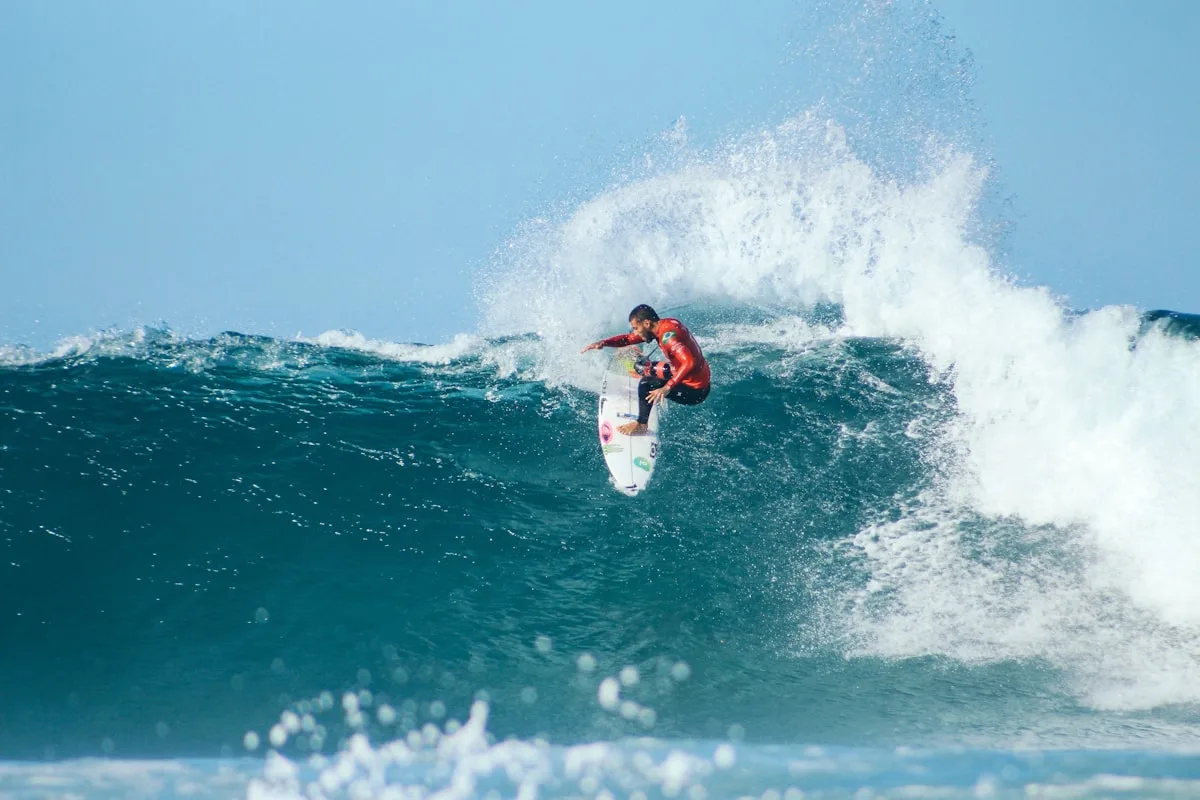
Anchor Point (Ancre) — Morocco's most famous wave and regularly featured in surf magazines. A long, winding right-hander that can connect for 300+ meters on a solid winter swell. Best from December through March when northwest groundswells hit the 6–10 foot range. Priority is earned in the water — paddle out early, be respectful, and don't drop in.
La Source — South of Taghazout, a reef break named after a freshwater spring that trickles onto the beach. Handles bigger swells and offers a fast, powerful wall. Intermediate and above.
Agadir Area Breaks
Agadir Beach (Plage d'Agadir) — The main city beach is wide, sandy, and protected by the bay, making it flat on most days but rideable when a large swell wraps in. Great for longboarding and SUP when conditions align.
Anza — Just north of Agadir, Anza is a beach-and-reef combo that picks up more swell than the city beach. It gets crowded on weekends with local surfers but offers fun, peaky waves in the chest-to-overhead range.
Imourane — Between Agadir and Taghazout, this fishing village has a powerful beach break that works on bigger swells. Not for beginners — strong shore break and rip currents. But when it's on, it's a barrel-hunter's playground.
Surf Lessons: What to Expect and What to Pay
If you have never surfed before, a structured lesson is the fastest and safest way to get started. A typical 2-hour surf lesson in Agadir costs between 250–400 MAD (approximately €23–37) and includes:
- Equipment: Soft-top board (safe for beginners), wetsuit (3/2mm — the water ranges from 17°C in winter to 22°C in summer)
- Beach instruction: 15–20 minutes covering pop-up technique, wave selection, safety rules, and ocean awareness
- In-water coaching: Instructor pushes you into whitewater waves and corrects your stance in real time
- Group size: Reputable schools cap groups at 4–6 students per instructor
Pro tip: Book a morning session. Winds are typically calm before noon, and the tide is often more favorable. Afternoons bring onshore wind (the thermal) that chops up the surface.
If you are already comfortable on a board and want to explore reef breaks or try a different part of the coast, the Essaouira Beach & Surf experience is an excellent day trip. Essaouira's consistent wind and waves make it Morocco's unofficial kitesurfing and windsurfing capital, but the point breaks south of town are also fantastic for regular surfing.
Beyond Surfing: Things to Do in Taghazout
Surfing shapes the rhythm of Taghazout, but there is more to this village than waves. Here's what to do between sessions:
Boat Trips and Ocean Adventures
A boat trip from Taghazout takes you along the coast to hidden coves, sea caves, and prime snorkeling spots. Most trips include fishing gear — you might catch mackerel, sea bream, or even squid, which the crew grills on board. For a bigger production, the Atlantic boat cruise with fishing and BBQ from Agadir runs a full half-day with lunch, swimming stops, and sunset views.
Beach Rides: Camels and Horses
Walking along the sand is pleasant. Riding across it on the back of a camel as the sun drops toward the Atlantic is unforgettable. The Taghazout beach sunset camel ride lasts about 90 minutes and follows the shoreline between Taghazout and Aourir. For something faster-paced, horse riding on Taghazout beach at sunset is available for all experience levels, with calm horses for beginners and spirited ones for experienced riders.
Paradise Valley
An hour inland from Taghazout lies Paradise Valley — a palm-lined gorge carved by the Tamraght River, dotted with emerald natural pools perfect for cliff jumping and swimming. The hike down takes about 25 minutes and is moderately steep. Bring water shoes and a swimsuit. Most organized tours include transport and a guide; some include a traditional Berber lunch in a riverside village. Water levels are best from March to June.
Shopping at Souk El Had
Need a new board bag, fresh fruit, or argan oil for a gift? The Souk El Had shopping tour from Taghazout takes you to Agadir's largest traditional market — a sprawling maze of over 3,000 stalls selling spices, leather, ceramics, clothing, and electronics. Expect to haggle: the first price quoted is typically 2–3 times the fair value. Start at 40% of the asking price and work your way up. Fridays and Sundays are the busiest days.
Best Time to Surf Taghazout and Agadir
Morocco's surf season runs year-round, but the quality of waves varies dramatically by month:
- October – March (Peak Season): Largest, most consistent swells. North Atlantic storms generate 6–12 foot groundswells that light up every point break from Anchor Point to Imsouane. Water temperature: 17–19°C (you'll want a 4/3 wetsuit). Air temperature: 18–24°C. This is when the surf camps are full, accommodation prices are highest, and the lineup is most crowded.
- April – June (Shoulder Season): Swells decrease in size but remain consistent. Overhead days are still common, and the crowds thin out significantly. Water warms to 19–21°C (3/2 wetsuit). Best balance of waves, weather, and value.
- July – September (Summer): Smallest swells — mostly waist-to-chest-high beach break. Perfect for learning. Water hits 22°C (shorty wetsuit or boardshorts). Taghazout becomes a domestic tourism hub with Moroccan families from Casablanca and Rabat.
Where to Stay
Budget (200–400 MAD/night): Surf hostels like Surf Maroc, Amouage, and various guesthouses along the main road. Dorm beds start at 100 MAD. Most include breakfast and offer surf packages.
Mid-range (400–900 MAD/night): Boutique riads and apart-hotels in the village center. Look for rooftop terraces with ocean views — there are few pleasures better than watching the sunset lineup from your accommodation.
Luxury (900+ MAD/night): The Hyatt Place Taghazout Bay and Fairmont Taghazout Bay are the newest additions, offering pool, spa, golf, and direct beach access. The Fairmont has its own surf school.
Practical Tips for 2026
- Getting there: Fly into Agadir Al Massira Airport (AGA). Taghazout is 20 minutes north by taxi (150–200 MAD) or grand taxi (20 MAD/seat, shared).
- Board rental: Soft-tops cost 100–150 MAD/day; performance shortboards and fish go for 150–250 MAD/day. Most shops are along the main road in Taghazout.
- Food: Eat where the surfers eat. Café Spot X in Taghazout does excellent avocado toast and smoothie bowls for 40–60 MAD. For authentic Moroccan food, hit the tagine stalls at the edge of the village — 35–50 MAD for a filling meal.
- Safety: Rip currents are real, especially at beach breaks. Never surf alone at unfamiliar spots. Wear reef booties at rocky breaks. Sun is intense — wear zinc even on cloudy days.
- Respect: Taghazout is a traditional Amazigh (Berber) village. Dress modestly away from the beach. Ask before photographing locals. Support local businesses over international chains.
Final Word
Taghazout and Agadir deliver one of the best surf-and-sun combinations on the planet — affordable, accessible, and blessed with world-class waves. Whether you book a 2-hour beginner lesson, paddle out at Anchor Point, or simply watch from the cliff with a glass of mint tea, the Atlantic coast of Morocco will get under your skin. The question isn't whether you'll enjoy it — it's whether you'll be able to leave.