A Feast for the Senses
Moroccan cuisine is a rich tapestry woven from Berber, Arab, Andalusian, and Mediterranean influences over centuries. Recognized by UNESCO as an intangible cultural heritage, Moroccan cooking is defined by its complex spice blends, slow-cooking techniques, and the communal tradition of sharing meals. From fragrant tagines to crispy pastilla, here is your guide to the essential dishes and flavors of Morocco.
The Essential Dishes
Tagine
Named after the conical clay pot it is cooked in, tagine is Morocco's signature dish. The slow-cooking process allows meat, vegetables, and spices to meld into intensely flavorful stews. Popular varieties include chicken with preserved lemons and olives, lamb with prunes and almonds, and kefta tagine with eggs. Each region has its own specialty, and no two family recipes are exactly alike.
Couscous
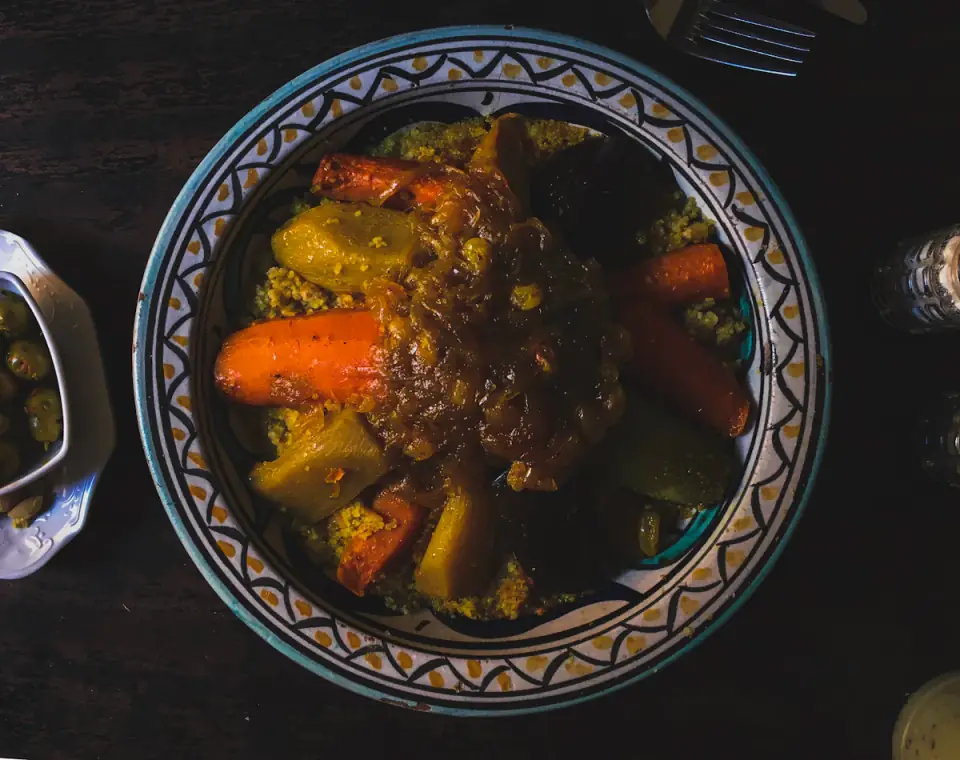
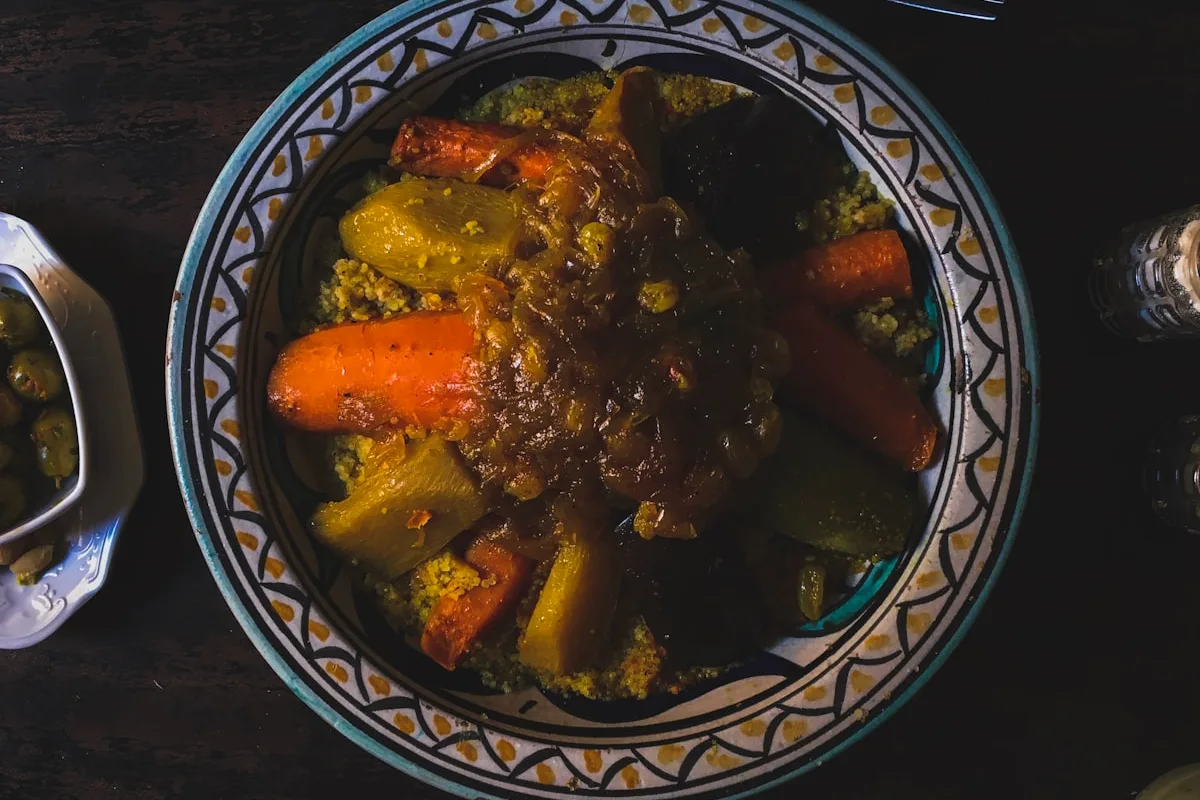
Couscous is the national dish of Morocco, traditionally served on Fridays after the midday prayer. Hand-rolled semolina granules are steamed multiple times in a couscoussier and topped with a rich stew of seven vegetables, chickpeas, and tender meat. The art of hand-rolling couscous is passed down through generations and is a source of pride for Moroccan families.
Pastilla (B'stilla)
This remarkable dish exemplifies the Moroccan mastery of balancing sweet and savory. Originally from Fez, pastilla layers flaky warqa pastry with slow-cooked pigeon or chicken, spiced almonds, eggs, and a dusting of cinnamon and powdered sugar. The contrast of textures and flavors makes it one of the most sophisticated dishes in North African cuisine.
Harira
This hearty tomato-based soup is the traditional dish for breaking the Ramadan fast. Made with lentils, chickpeas, tomatoes, fresh herbs, and sometimes lamb, harira is seasoned with ginger, cinnamon, and saffron. It is typically served with dates and chebakia, a sesame cookie soaked in honey.
Moroccan Salads
No Moroccan meal begins without an array of salads. Unlike Western salads, these are cooked preparations served at room temperature. Zaalouk is a smoky eggplant and tomato dip. Taktouka combines roasted peppers with tomatoes and garlic. Carrot salad is spiced with cumin and dressed with orange blossom water. These small plates are meant for sharing with bread.
The Spice Palette
Moroccan cooking relies on a carefully balanced blend of spices rather than heat. The essential spices include cumin, paprika, turmeric, ginger, cinnamon, saffron, and the famous ras el hanout, a complex blend that can contain up to thirty different spices. Preserved lemons and olives add brightness, while honey and dried fruits provide sweetness.
Street Food
Morocco's street food culture is vibrant and delicious. In Marrakech, Jemaa el-Fnaa comes alive each evening with stalls serving grilled meats, fresh snail soup, sheep head, and fried fish. Throughout the country you will find msemen flatbread, sfenj doughnuts, and freshly squeezed orange juice for just a few dirhams.
Mint Tea: The National Drink
Moroccan mint tea, called atay, is far more than a beverage. It is a symbol of hospitality, friendship, and tradition. Made with Chinese gunpowder green tea, fresh spearmint, and generous amounts of sugar, it is poured from a height to create a frothy top. Refusing tea is considered impolite, and the ritual of preparation and serving is an art form in itself.
Where to Eat
For the most authentic experience, seek out family-run restaurants in the medinas rather than tourist-oriented establishments. In Fez, try the legendary tangia cooked in the embers of a hammam furnace. In Marrakech, the hole-in-the-wall restaurants on Rue Bani Marine serve some of the best tagines in the city. For a special occasion, book a traditional diffa feast at a riad.
Take the Flavors Home
Visit the spice souks to purchase ras el hanout, preserved lemons, and argan oil to recreate Moroccan flavors in your own kitchen. Many riads and cooking schools offer classes where you can learn recipes directly from Moroccan home cooks and bring the culinary traditions home with you.