The World's Largest Hot Desert Awaits
The Sahara Desert is the most iconic landscape in Morocco and one of the most extraordinary natural wonders on Earth. Stretching across 9.2 million square kilometers of North Africa, Morocco's portion of the Sahara offers some of the most accessible and spectacular desert experiences available anywhere. From towering sand dunes to ancient caravan routes, here is everything you need to know to plan your Sahara adventure.
Where to Go: Erg Chebbi vs Erg Chigaga
Morocco has two main sand dune regions worth visiting. Erg Chebbi near Merzouga is the most popular, featuring golden-orange dunes reaching up to 150 meters in height. It is more accessible, roughly 9 hours by road from Marrakech, and offers a wide range of accommodation from budget to luxury. Erg Chigaga near M'Hamid is more remote and less touristic, with dunes stretching 40 kilometers long. Reaching it requires a 4x4 vehicle and adds to the feeling of true desert isolation.
The Classic Desert Experience
Most visitors opt for a two or three day tour from Marrakech. The journey itself is part of the experience, crossing the High Atlas Mountains via the Tizi n'Tichka pass, passing through the Valley of Roses, and stopping at the stunning Ait Benhaddou kasbah. Upon reaching the edge of the desert, you mount camels for a one to two hour ride into the dunes to reach your desert camp.
Desert Camps: What to Expect
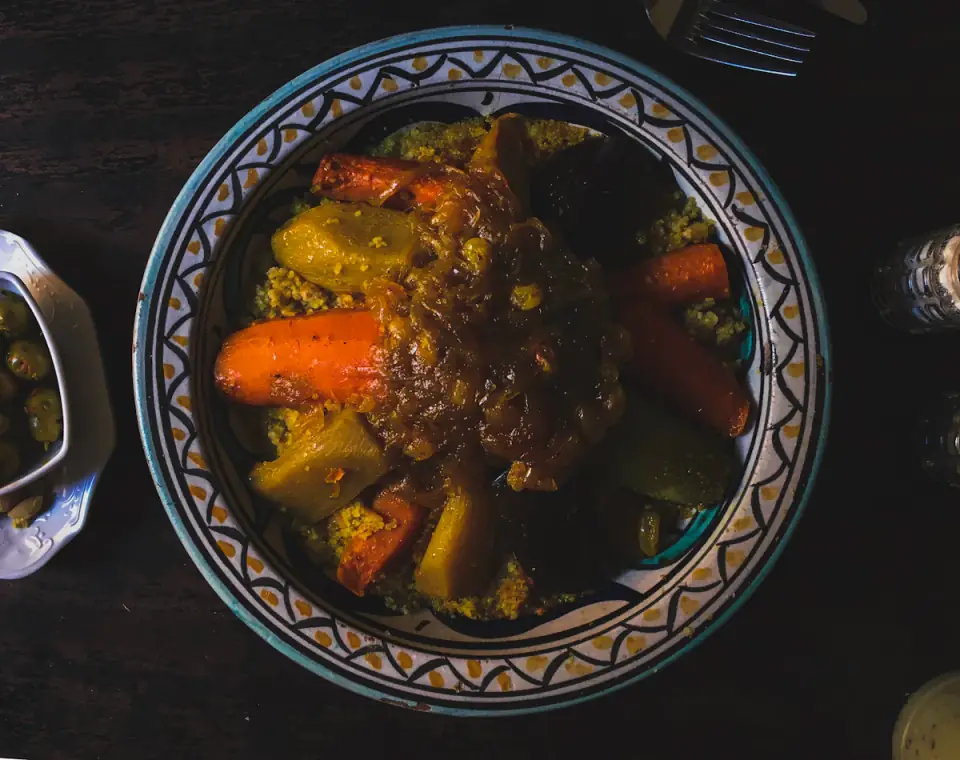
Desert camps range from basic bivouac-style tents to luxurious glamping experiences with private bathrooms, electricity, and even swimming pools. A standard camp typically includes Berber tents with comfortable mattresses, a communal dining tent, and shared bathroom facilities. Evenings feature a traditional dinner of tagine or couscous followed by drumming and singing around the campfire. The highlight for most visitors is sleeping under one of the clearest, most star-filled skies they have ever seen.
Best Time to Visit
The ideal months for a Sahara trip are October through April when daytime temperatures are pleasant, ranging from 20 to 30 degrees Celsius. Summer temperatures can exceed 50 degrees Celsius and are not recommended. Winter nights in the desert can drop to near freezing, so bring warm layers. Spring occasionally brings sandstorms, so check weather forecasts before booking.
What to Pack
- Lightweight, breathable clothing that covers arms and legs for sun protection
- A warm jacket or fleece for cold desert nights
- A scarf or turban to protect from sand and wind
- Sturdy sandals or shoes suitable for walking on sand
- Sunscreen with high SPF, sunglasses, and a hat
- Camera with extra batteries as charging may be limited
- A headlamp or torch for navigating camp at night
- Reusable water bottle as hydration is critical
Cultural Etiquette
The desert is home to nomadic Berber and Tuareg communities who have traversed these sands for centuries. When visiting, respect local customs by dressing modestly, asking permission before photographing people, and learning a few words of Amazigh or Arabic. Your guides are often from these communities and sharing their stories and traditions is part of what makes the experience so meaningful.
Activities in the Desert
Beyond camel trekking, the Sahara offers sandboarding down the dunes, quad biking across the flats, 4x4 excursions to remote oases, and stargazing sessions. Some camps offer astronomical telescopes and guided constellation tours. For the adventurous, multi-day camel treks deeper into the desert provide an even more immersive experience.
Booking Your Trip
We recommend booking your Sahara experience at least two weeks in advance, especially during peak season from October to December and March to April. Our Sahara Desert Camel Trek tour handles all logistics including comfortable transport, experienced guides, and carefully selected desert camps to ensure an unforgettable experience.