Why Is Chefchaouen Blue?
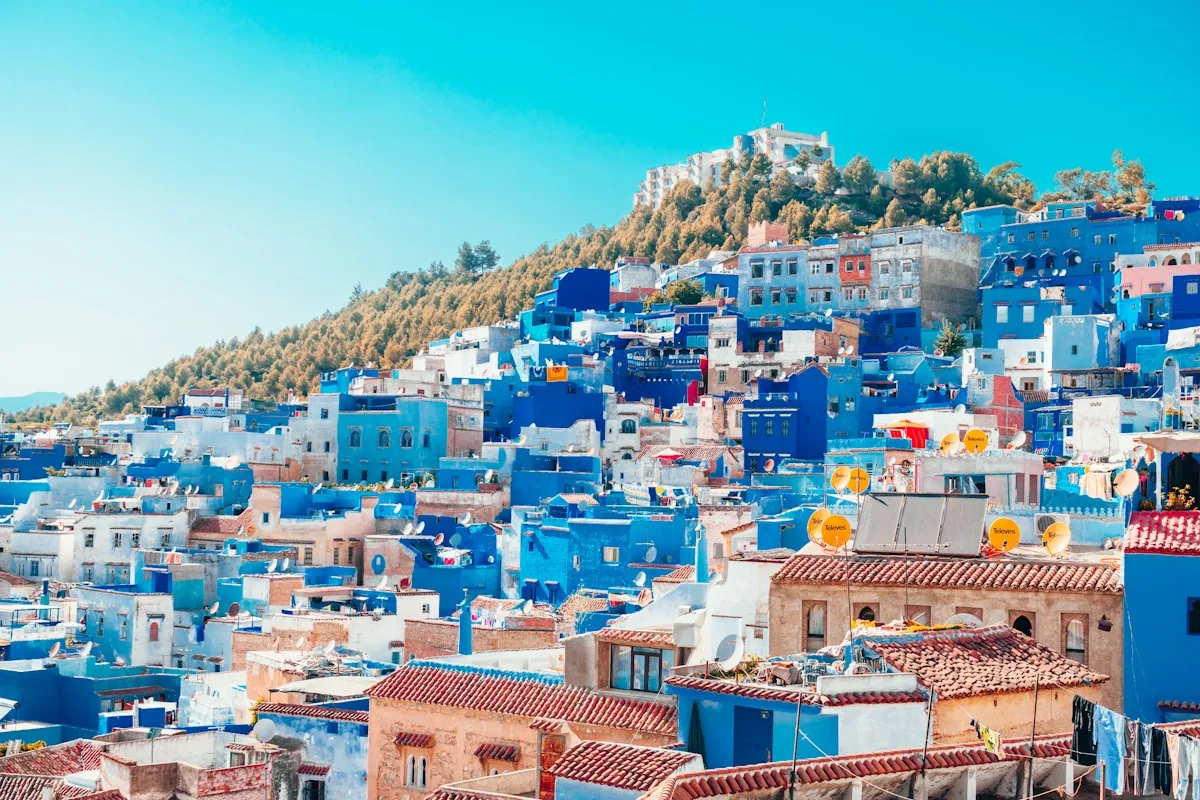
Tucked into the rugged Rif Mountains of northern Morocco, Chefchaouen is one of the most photogenic towns on the planet. Its medina is painted in every imaginable shade of blue, from powder blue doorways to deep indigo walls and turquoise staircases. The origin of the blue paint is debated. Some say Jewish refugees fleeing the Spanish Inquisition in the 1930s introduced the tradition, as blue symbolizes the sky and heaven in their faith. Others claim the paint simply repels mosquitoes. Whatever the reason, the result is a town of extraordinary beauty.
Getting There
Chefchaouen is located roughly 110 kilometers south of Tangier and 200 kilometers from Fez. The journey from either city takes approximately 3 to 4 hours by car or shared taxi, winding through dramatic mountain scenery. CTM and Supratours buses run daily services from major cities. There is no airport in Chefchaouen, with the nearest being Tangier Ibn Battouta Airport.
Exploring the Medina
The medina of Chefchaouen is compact and relatively easy to navigate compared to Fez or Marrakech. The main square, Place Outa el Hammam, is dominated by the 15th-century kasbah with its lovely gardens and ethnographic museum. From here, narrow lanes wind past blue-washed houses adorned with pots of geraniums, wrought-iron window grilles, and cats napping on painted steps. Every corner presents a new photographic opportunity.
Top Things to Do
- Photograph the blue streets, especially Rue El Haouta and the area around Ras El Ma waterfall
- Visit the Kasbah Museum and its peaceful Andalusian garden
- Hike to the Spanish Mosque on the hill for a panoramic sunset view of the entire town
- Walk to the Ras El Ma waterfall where local women wash wool and clothes
- Shop for locally made goat cheese, woven blankets, and leather goods
- Day hike in the Talassemtane National Park through cedar and fir forests
- Visit the God's Bridge natural rock formation in nearby Akchour
The Food Scene
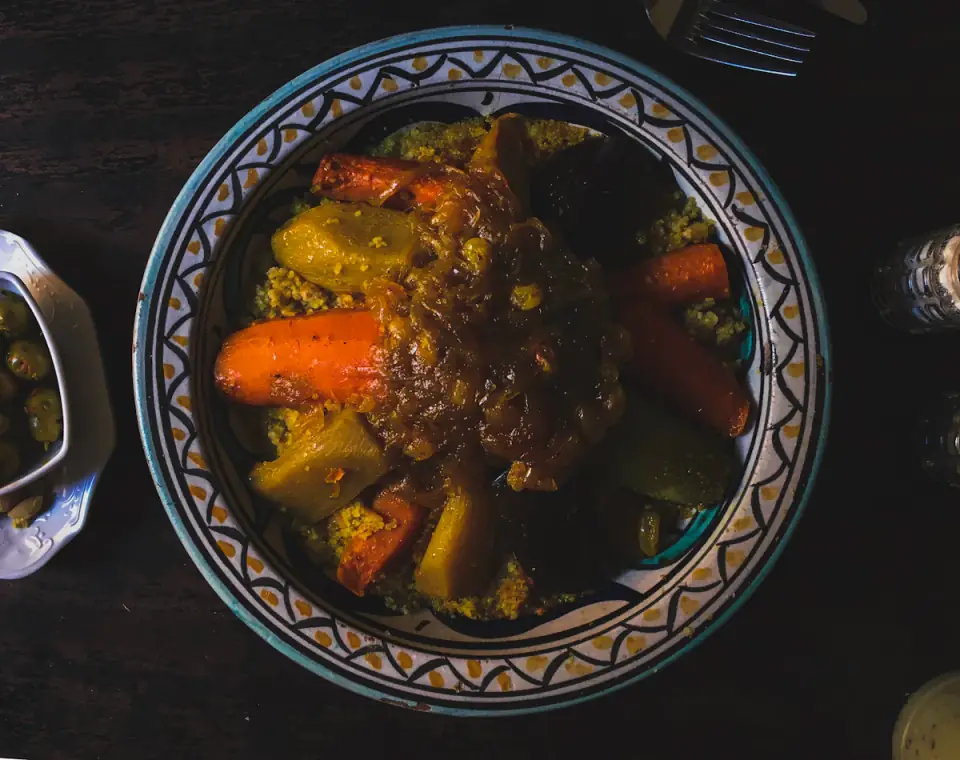
Chefchaouen has a distinct culinary identity shaped by its mountain setting. Try the local goat cheese, called jben, sold fresh in the markets. The town is known for its hearty soups and stews perfect for cool mountain evenings. Restaurants around Place Outa el Hammam serve excellent tagines and fresh trout from mountain streams. The local bread, baked in communal wood-fired ovens, is some of the best in Morocco.
Where to Stay
The medina has dozens of charming riads and guesthouses, many with rooftop terraces offering views of the blue town and mountains. For the most atmospheric experience, choose accommodation within the medina walls. Budget travelers will find excellent hostels, while luxury seekers can book riads with hammams and pools. Book ahead during spring and autumn when the town is busiest.
Best Time to Visit
Spring from March to May and autumn from September to November offer the most pleasant weather with temperatures around 15 to 25 degrees Celsius. Summer can be warm but the mountain elevation keeps it cooler than other Moroccan cities. Winter brings occasional rain and cold nights but also fewer tourists and a moody atmospheric beauty. The annual festival of Alegria in June celebrates the town's culture with music and art.
Day Trips from Chefchaouen
The surrounding Rif Mountains offer excellent hiking and nature experiences. The Akchour waterfalls, a two-hour hike from the trailhead, cascade through lush forest into emerald pools perfect for swimming. Talassemtane National Park protects rare Moroccan fir trees and offers multi-day trekking routes. The nearby town of Ouazzane is a quieter pilgrimage city worth a half-day visit.
Practical Tips
Chefchaouen is one of Morocco's safest and most relaxed towns for travelers. Bring comfortable walking shoes as the medina streets are steep and uneven. Respect locals when photographing and always ask permission for portrait shots. The town has good WiFi in most cafes and riads. ATMs are available on Avenue Hassan II near the medina entrance.